
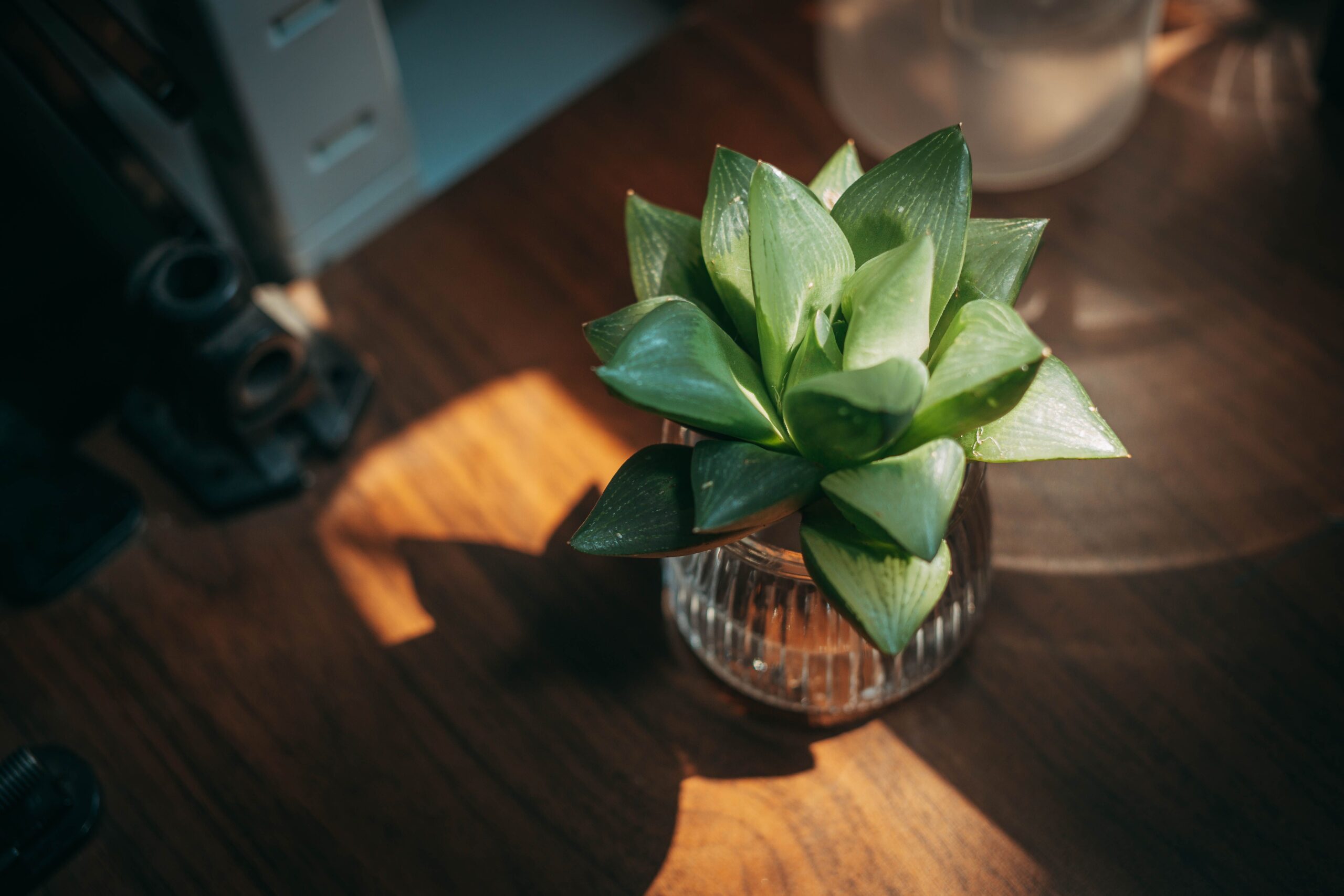
Succulents are a fascinating and diverse group of plants known for their unique ability to store water in their fleshy leaves, stems, or roots. This guide will provide you with the essential knowledge and practical tips to ensure your succulents thrive, both indoors and out.
Understanding Succulent Care
What Are Succulents?
Succulents are a diverse category of plants distinguished by their remarkable ability to store water in specialized tissues, typically in their thick, fleshy leaves or stems. This adaptation allows them to survive in arid environments where water is scarce, making them incredibly resilient. While all cacti are succulents, not all succulents are cacti, highlighting the broad spectrum within this plant group. Understanding this fundamental characteristic is key to proper succulent care, as it dictates their watering needs and preferred growing conditions.
Why Choose Succulents for Indoors?
Choosing to grow succulents indoors offers numerous advantages, making them an increasingly popular choice for houseplants. Many succulents are easy to care for and require minimal care, making them ideal for busy individuals or novice plant enthusiasts. They do not demand constant attention and can thrive with less frequent watering compared to other houseplants. Furthermore, succulents grown indoors can add a touch of natural beauty and a unique aesthetic to any living space, benefiting from the controlled environment.
Popular Types of Succulents
There is a vast array of popular succulent types that are well-suited for growing indoors, each with its own unique charm and care requirements. Echeveria, with its beautiful rosette forms, is a very popular succulent, as is Kalanchoe, known for its vibrant blooms and interesting leaf structures. The jade plant is another common and beloved succulent, recognized for its tree-like appearance and ease of propagation. Aloe, a well-known succulent, is not only aesthetically pleasing but also appreciated for its medicinal properties. Many succulents from these groups thrive indoors, offering a wide selection for any succulent garden enthusiast.
Watering Your Succulents
How Often to Water Succulents
The frequency with which you water succulents is perhaps the most critical aspect of succulent care, directly impacting their health and longevity. It is a common misconception that because succulents store water, they rarely need it; however, the key is to allow the soil to dry out completely between waterings. During the spring and summer, when succulents are actively growing, they will likely need more frequent watering. Conversely, in the dormant winter months, reduce watering significantly. Always err on the side of underwatering rather than overwatering, as too much water can quickly lead to rot. Observing your specific succulent’s needs and the moisture level of the soil is paramount for thriving succulents.
Signs of Overwatering
Overwatering is a common pitfall in succulent care and can swiftly lead to the demise of your beloved plants. One of the most obvious signs of overwatering is soft, mushy, or translucent leaves, which indicate that the cells are bursting from too much water. A rotting stem is another clear indicator, often accompanied by a foul smell and a dark, decaying appearance at the base of the succulent. If you notice yellowing leaves or a general droopiness, it is highly probable your succulent is receiving too much water. These symptoms are a clear warning that the soil is holding moisture for too long, creating an environment ripe for fungal diseases and root rot, which are particularly detrimental to the fleshy leaves and root system of these plants.
Best Practices for Watering
To ensure your succulents thrive, adopt best practices for watering that mimic their natural arid environments. When it is time to water, give your succulent a thorough soaking until water drains out of the drainage hole at the bottom of the pot. This ensures that the entire root system receives moisture. Afterwards, allow the soil to dry out completely before watering again. Using a well-draining potting mix, ideally a cactus and succulent blend with coarse sand or perlite, is crucial. If your pot does not have a drainage hole, consider repotting or adding a layer of pebbles at the bottom, though a drainage hole is always preferable for proper drainage and to prevent the soil from staying wet for too long.
Propagation Techniques for Succulents
How to Propagate Succulents
Propagating succulents is a rewarding aspect of succulent care, allowing you to multiply your collection and share new plants with others. Many succulents can be easily propagated from various parts of the mother plant, including leaves, stems, or offsets. The ease of propagation contributes to the popularity of these resilient plants, enabling even novice gardeners to expand their succulent garden. This process not only creates new plants but also helps to rejuvenate older, leggy specimens, ensuring your succulents thrive and stay healthy. Understanding the different methods will enhance your overall succulent care experience.
Methods of Propagation
There are several effective methods to propagate succulents, each suited to different types of succulent plants. Leaf cuttings are a popular choice for many fleshy-leaved succulents like Echeveria, where a single healthy leaf can produce a new plant. Stem cuttings involve taking a section of the stem, allowing it to callus, and then planting it to root. Offsets, often referred to as “pups,” are miniature versions of the mother plant that naturally grow at the base and can be gently removed and planted. Whichever method you choose, allowing the cutting or offset to dry and form a callus before planting is a crucial step to prevent rot and encourage successful rooting.
Propagating Popular Succulents
Propagating popular succulents like Echeveria, Kalanchoe, and Jade plants is generally straightforward, making them excellent choices for beginners. Echeveria and many succulents with fleshy leaves respond well to leaf cuttings, where you simply twist off a healthy leaf and place it on dry soil. Jade plants (Crassula ovata) are particularly easy to propagate from stem cuttings; just snip a section, let it dry for a few days, and then plant it. Kalanchoe can also be propagated from leaf or stem cuttings. With proper care, including bright, indirect light and minimal watering until roots form, these new plant babies will quickly establish themselves.
Choosing the Right Pot and Drainage
Importance of Pot Choice
Choosing the right pot is a critical decision in succulent care, significantly impacting the health and longevity of your plants. The material of the pot plays a vital role; terracotta pots are often preferred for succulents because their porous nature allows excess moisture to evaporate quickly, helping the soil dry out completely. While aesthetic appeal is a factor, prioritizing functionality is key. A pot that is too large can hold too much water, leading to the soil staying wet for too long, which is detrimental to the delicate root system of succulents and can cause rot. The right pot, therefore, complements proper watering practices and is essential for thriving succulents.
Drainage Solutions for Succulents
Effective drainage is non-negotiable for healthy succulents, as too much water can quickly lead to their demise. The most critical component of a good drainage solution is a pot with a drainage hole at the bottom. This allows excess water to escape immediately after watering, preventing the potting mix from becoming waterlogged. Furthermore, using a well-draining potting mix specifically formulated for succulents and cacti, typically containing coarse sand, perlite, or pumice, will significantly enhance drainage. Avoid using pebbles or gravel at the bottom of a pot without a drainage hole, as this can actually impede proper drainage and create a perched water table, which keeps the soil wet.
Repotting Succulents
Repotting succulents is an essential part of ongoing succulent care, providing them with fresh nutrients and adequate space to grow. Generally, succulents need to be repotted every 1-2 years, or when they outgrow their current pot. When repotting, always use fresh cactus and succulent potting mix to ensure proper drainage and aeration. Carefully remove the succulent from its old pot, gently shake off old soil, and inspect the roots for any signs of rot or damage. Plant it in a new pot that is only slightly larger than the old one, ensuring it has a drainage hole, and allow the succulent to settle in for a few days before its first watering.
Fertilizing Succulents
When to Fertilize Succulents
Understanding when to fertilize succulents is a crucial aspect of overall succulent care, as improper timing can do more harm than good. Succulents, unlike many other plants, do not require frequent fertilization. The best time to fertilize succulents is during their active growing season, which typically occurs in the spring and summer months. During this period, the succulent is actively growing and can efficiently utilize the nutrients provided by the fertilizer. It is essential to avoid fertilizing in the dormant winter months when the succulent is not actively growing, as this can lead to nutrient buildup and potential root burn.
Types of Fertilizers for Succulents
Choosing the right type of fertilizer for succulents is vital to ensure their health and vigorous growth. A balanced, water-soluble fertilizer, specifically formulated for cacti and succulents, is generally recommended. These fertilizers typically have a lower nitrogen content, which is important because too much nitrogen can lead to soft, leggy growth, making the succulent more susceptible to rot and pests. Many succulent growers prefer a diluted fertilizer solution, often at half or even a quarter strength, to prevent over-fertilization. Using a liquid fertilizer ensures that the nutrients are readily available to the succulent’s root system.
Signs That Your Succulent Needs Fertilizing
While succulents are not heavy feeders, recognizing the signs that your succulent needs fertilizing can help you maintain their vitality. One common indicator is stunted growth, where the succulent appears to be healthy but is not producing new leaves or increasing in size. Pale or yellowing leaves, particularly if they are not exhibiting other signs of overwatering or disease, can also suggest a nutrient deficiency. However, it is important to rule out other common issues, such as insufficient light or improper watering, before concluding that your succulent requires fertilizer. Healthy succulents thrive with proper care, and sometimes a boost from fertilizer can help them reach their full potential.
Care Tips for Specific Succulents
Care for Echeveria
Echeveria, a very popular succulent known for its beautiful rosette forms and fleshy leaves, requires specific care to thrive. These succulents prefer bright, indirect sunlight each day; if grown indoors, a south-facing window is ideal. Proper watering is paramount; allow the soil to dry out completely between waterings to prevent rot, especially for their delicate fleshy leaves. A well-draining potting mix, such as a cactus and succulent blend with coarse sand or perlite, is essential to ensure proper drainage. Echeveria also benefits from occasional repotting every one to two years to replenish nutrients and provide fresh potting soil.
Care for Kalanchoe
Kalanchoe, celebrated for its vibrant blooms and diverse leaf structures, is another popular succulent that requires particular attention. To ensure your Kalanchoe thrives, provide it with plenty of bright, indirect light, especially when it is actively growing and blooming. When watering, it is crucial to allow the soil to dry out completely between sessions, as Kalanchoe is susceptible to rot if the soil stays wet for too long. After the blooming cycle, you can encourage new blooms by providing a period of shorter daylight hours. These easy-to-care-for succulents benefit from a consistent watering schedule during spring and summer.
Care for Jade Plant and Aloe
The Jade Plant (Crassula ovata) and Aloe are two widely recognized and resilient succulents that respond well to consistent care. Jade plants, known for their tree-like appearance and ease of propagation, prefer bright light and well-draining potting mix. Allow the soil to dry out completely between waterings, as too much water can cause the stem and fleshy leaves to rot. Aloe, often appreciated for its medicinal properties, also thrives in bright light and requires similar watering practices; ensure the drainage hole is clear to prevent the soil from staying wet. Both of these succulents benefit from being grown indoors near a window with direct sun.