
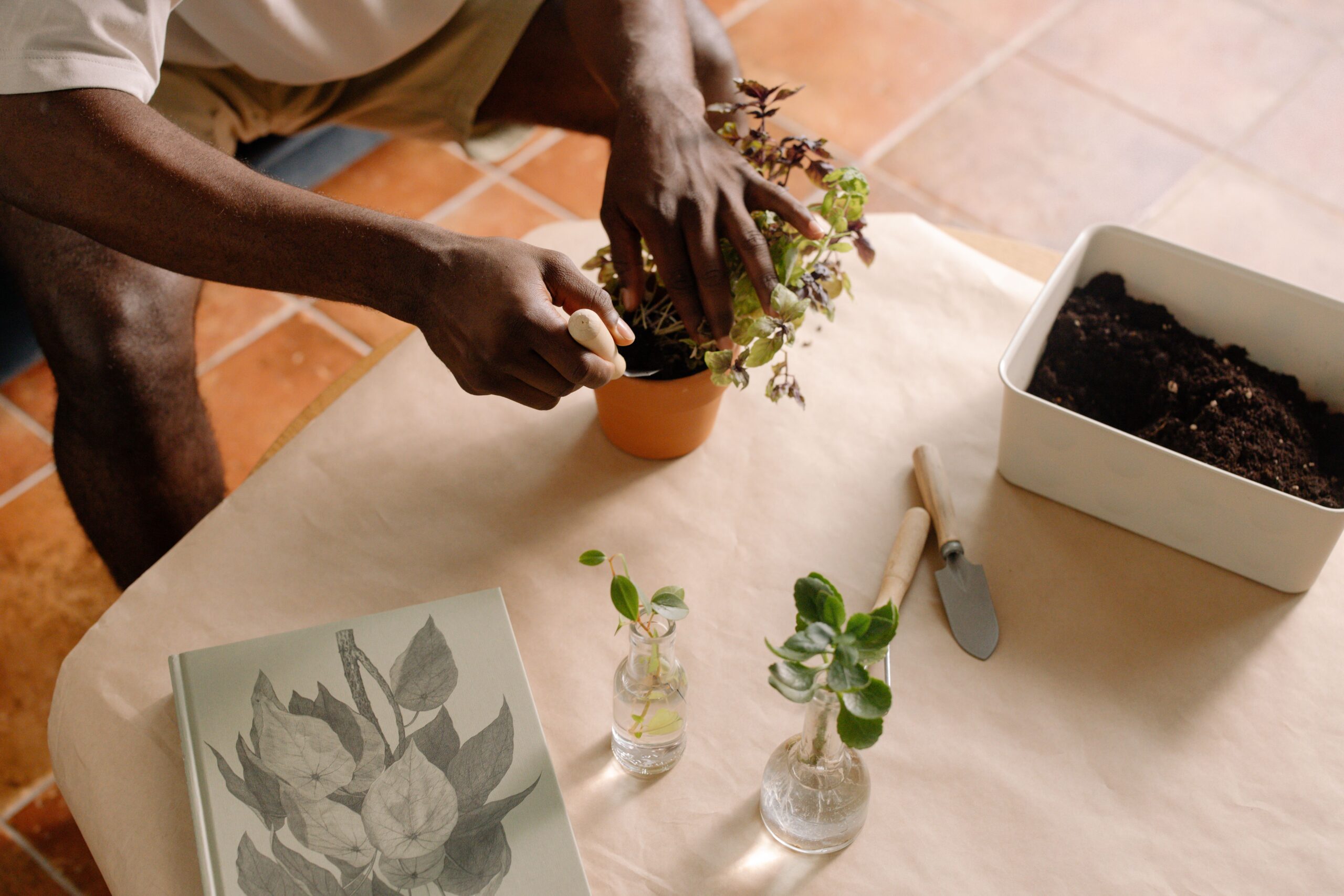
Transform your living space with the beauty of nature. This guide will help you discover the ideal indoor plants that are perfect for beginners, making it easy to bring vibrant greenery into your home.
Introduction to Indoor Plants
Benefits of Having Live Plants Indoors
Integrating live plants into your interior offers a multitude of benefits that extend beyond mere aesthetics. An indoor plant can significantly enhance air quality by filtering toxins and producing oxygen, contributing to a healthier environment within your home. Furthermore, the presence of greenery has been shown to improve mood, reduce stress levels, and boost productivity, transforming your living or working space into a more serene and inviting sanctuary. A thriving houseplant can truly brighten a room and provide a sense of calm and well-being, making the effort of caring for it incredibly rewarding.
Why Choose Indoor Plants for Your Home
Choosing indoor plants for your home is a decision that brings life and vibrancy to any interior landscape. Unlike artificial decorations, a live plant offers dynamic beauty that evolves over time, with new leaves unfurling and flowers blooming, providing a constant source of natural delight. For those new to gardening, selecting low-maintenance houseplants can be an ideal starting point, as they require little water and tolerate various conditions, allowing even beginners to experience the joy of nurturing a thriving plant. Whether you’re aiming to create a lush, tropical oasis or simply add a touch of natural elegance, the right selection of indoor plants can beautifully complement your decor and personal style.
Factors to Consider When Selecting Plants
When selecting the perfect indoor plant for your home, several crucial factors should guide your choice to ensure it will thrive in its new environment. Firstly, assess the amount of natural sunlight available in your chosen location; some plants require bright, indirect light, while others are more tolerant of low-light conditions, such as snake plants or pothos. Consider the size of the plant as it grows; a small pot might be suitable initially, but some varieties will become a tall tree or a sprawling vine that may require repotting. Additionally, think about your commitment to care; some succulent species need very little water, perhaps once every two weeks, while tropical plants might require more consistent attention. Selecting a variety that matches your home’s specific conditions and your gardening expertise is key to a healthy, vibrant houseplant.
Best Indoor Plants for Low Light Conditions
Peace Lily: A Beautiful Low-Light Houseplant
The Peace Lily is an exceptionally popular indoor plant renowned for its elegant white spathes and vibrant green foliage, making it an ideal choice for transforming any interior with its natural beauty. This tropical plant thrives well in low-light conditions, meaning it does not require much light to grow and remain healthy, making it perfect for homes with less natural sunlight. It’s a low-maintenance houseplant that also provides a beautiful flower, brightening up darker corners of a room. Its ability to tolerate various indoor environments and its striking appearance make it a top selection among live plants for beginners.
Snake Plants: Hardy and Easy-Care Options
Snake plants, scientifically known as Sansevieria, are among the most resilient and easy-care indoor plants available, making them an excellent option for beginners. These hardy plants are celebrated for their upright, sword-like leaves that can add a modern aesthetic to any interior landscape. They are incredibly tolerant of low-light conditions and require little water, often thriving with watering only every two weeks or even less, depending on the environment. This variety of houseplant is not only low-maintenance but also known to improve air quality, making it a healthy and vibrant addition to your home.
Philodendron: Versatile and Resilient
Philodendron varieties are highly versatile indoor plants, appreciated for their lush foliage and ability to adapt to various indoor conditions, making them a fantastic choice for those new to nurturing live plants. Many types of philodendron can thrive well in low light, preferring bright, indirect light but tolerating lower light levels, ensuring they remain a healthy and vibrant houseplant even in less sunny spots. Whether you choose a vining type that can climb or trail, or an upright variety, these plants need minimal care and can easily transform a space with their beautiful greenery. They are truly an easy-care and resilient selection, perfect for any interior.
How to Grow Indoor Plants Successfully
Understanding Plant Needs: Water, Light, and Soil
To ensure your indoor plant flourishes and remains a vibrant houseplant, understanding its fundamental needs for water, light, and soil is crucial. Each variety of live plants has specific requirements; for example, succulent plants require very little water, often thriving when watered only every two weeks, whereas tropical plants may need more frequent watering to maintain their lush greenery. Similarly, while some easy-care options like snake plants and peace lilies tolerate low-light conditions, most indoor plants need bright, indirect light to grow optimally. The right soil, offering good drainage and essential nutrients, is also paramount for a healthy root system, preventing issues like root rot and encouraging vigorous growth of every leaf and flower. Achieving the ideal balance of water, light, and soil is key for any indoor plant to truly thrive in its interior environment. For instance, a pothos or philodendron can tolerate a range of light conditions, but consistently bright, indirect light will encourage more vibrant foliage. Overwatering is a common mistake that can be detrimental, as too much water can suffocate roots; always check the soil moisture before watering. The type of pot also plays a role, with terracotta pots helping to wick away excess moisture, while plastic pots retain it longer. Understanding these nuances for each variety of houseplant, from the humble ivy to a tall tree, ensures your greenery remains healthy and continues to brighten your space.
Repotting: When and How to Do It
Repotting is a vital step in maintaining the health and vigor of your indoor plant, allowing it to grow and continue to be a vibrant houseplant. You should generally consider repotting when the plant becomes root-bound, meaning its roots are circling the drainage holes or emerging from the top of the soil, or if the plant’s growth has visibly stalled. This usually occurs every one to two years for most live plants, though fast-growing varieties like a large philodendron or a burgeoning palm might require it more frequently. Selecting a new pot that is only one or two inches larger in diameter than the previous one is ideal, providing just enough space for new root growth without overwhelming the plant with too much soil, which can lead to excessive moisture retention and root issues. When repotting, carefully remove the indoor plant from its current pot, gently loosen any compacted roots, and inspect for any signs of disease or damage. Place a layer of fresh, well-draining soil at the bottom of the new pot, ensuring the plant sits at the same depth as it did before. Fill the remainder of the pot with soil, gently patting it down to remove air pockets, but avoid compacting it too tightly. After repotting, water the plant thoroughly to help settle the soil and reduce transplant shock. This process rejuvenates the plant, allowing it to continue to thrive, produce new leaf growth, and maintain its overall health, keeping your interior landscape lush and beautiful.
Maintaining the Right Mood and Ambience with Plants
Indoor plants are not merely decorative elements; they are powerful tools for transforming the mood and ambience of any interior space, creating a vibrant and welcoming environment. Strategic placement of a peace lily can brighten a dimly lit corner, while a tall snake plant or a graceful palm can add architectural interest and a sense of calm. The lush greenery of various live plants, from a trailing pothos to an exotic tropical plant, introduces a natural aesthetic that enhances well-being and reduces stress. The mere presence of a healthy houseplant can elevate the overall feel of a room, making it feel more alive and inviting, influencing daily mood and fostering a sense of connection to nature right within your home. To effectively maintain the right mood and ambience, choose a variety of indoor plants that complement your existing decor and the function of each room. For instance, a selection of easy-care succulents on a windowsill can create a serene, minimalist feel, while a collection of colorful flowering plants might evoke a more cheerful and lively atmosphere. Consider plants that not only thrive well in low light, but also offer diverse textures and forms, such as the broad leaves of a philodendron or the delicate fronds of a fern. The goal is to curate a landscape that brings joy and tranquility, allowing your indoor plants to be much more than just greenery, but rather an integral part of your home’s unique character and a constant source of natural beauty.
Selecting the Right Variety for Your Interior
Choosing the Best Plants for Your Space
Choosing the best indoor plant for your space involves more than just aesthetics; it requires understanding the specific needs of various live plants to ensure they thrive and remain a vibrant houseplant within your interior. Consider the amount of natural sunlight each room receives; some plants need bright, indirect light to grow optimally, while others, like the popular indoor peace lily or snake plants, thrive well in low-light conditions, making them ideal for less sunny spots. Evaluate the available space and how large the plant is expected to grow; a small pot might be perfect for a succulent on a windowsill, but a larger philodendron or a tall tree variety will require more room. Opting for low-maintenance options such as pothos or ZZ plants can be a great tip for beginners, as they tolerate a range of conditions and require little water, simplifying your plant care routine.
Incorporating Trees and Larger Plants in Your Decor
Incorporating larger live plants and indoor trees into your decor can dramatically transform the interior landscape, adding a sense of grandeur and lush greenery that smaller plants cannot achieve. A tall palm or a fiddle-leaf fig tree can become a striking focal point in a living room, drawing the eye upwards and making the room feel more spacious and vibrant. When you choose a large plant, consider its mature size and ensure it has adequate sunlight to thrive; while some varieties can tolerate lower light, most larger plants need bright, indirect light to maintain their healthy leaf structure and overall vitality. Repotting a large houseplant can be a significant task, so select a pot that allows for ample growth and complements your decor, ensuring your tree or large plant remains a majestic addition to your home for years to come.
Using Ivy and Other Climbers to Enhance Interiors
Using ivy and other climbing live plants is an excellent way to enhance your interior decor, adding dynamic texture and vibrant greenery that can climb walls, cascade from shelves, or beautifully frame windows. A versatile variety like pothos or philodendron can be trained to grow along trellises or allowed to trail gracefully, creating a natural, living curtain that softens architectural lines. These easy-care indoor plants often thrive well in low light, making them suitable for various locations within your home, and they require little water compared to some tropical plants. Their ability to grow long vines allows them to cover significant areas, transforming a plain wall into a lush, organic feature. This selection not only brightens the space but also adds a unique mood and a sense of wild elegance to any houseplant collection.
Expert Tips for Indoor Plant Care
Understanding How Much Light Your Plants Need
Understanding how much light your indoor plant truly needs is one of the most crucial expert tips for ensuring its long-term health and vitality. Each variety of live plants has specific sunlight requirements; for instance, while peace lily and snake plants are celebrated for their ability to thrive well in low light, many tropical plants need consistent bright, indirect light to grow and maintain vibrant foliage. Placing a plant in the wrong location can lead to stunted growth, yellowing leaves, or a complete failure to flower. Observe your houseplant closely for signs of distress, such as leggy growth reaching for light or scorched leaves from too much direct sun, to determine if its current light environment is ideal. Adjusting its position to provide the right amount of illumination will help your plant thrive and keep it a healthy, beautiful addition to your interior.
Common Mistakes to Avoid When Caring for Indoor Plants
When caring for indoor plants, even seasoned enthusiasts can make common mistakes that hinder the plant’s ability to thrive. One of the most frequent errors is overwatering; while all live plants need water, providing too much can lead to root rot, especially for varieties like succulents that require little water and prefer their soil to dry out between waterings, perhaps only every two weeks. Another pitfall is neglecting to provide adequate light, as most indoor plants need bright, indirect light to grow, even if they can tolerate low-light conditions for short periods. Failing to repot a root-bound houseplant, ignoring pest infestations, or not cleaning dust from leaves are also common oversights that can prevent your plant from being vibrant. Learning these expert tips and avoiding these missteps will significantly improve the health and longevity of your greenery, allowing each leaf to flourish.
Creating a Low-Light Plant Care Routine
Creating an effective low-light plant care routine is essential for ensuring your indoor plant collection thrives even in less illuminated corners of your home. For varieties like the peace lily, snake plants, or pothos, which naturally tolerate low light, the key is consistency without over-attentiveness. These easy-care houseplants generally require little water; check the soil moisture every two weeks, or when the top few inches feel dry, before watering. While they don’t need bright, indirect light to survive, rotating your pot occasionally can help ensure even growth and prevent the plant from leaning excessively towards the nearest light source. Providing a well-draining soil mix is paramount, as low-light conditions often mean slower evaporation, making the plant more susceptible to root rot if moisture lingers. This tailored care approach will ensure your low-light greenery remains a healthy, vibrant houseplant, brightening your interior without demanding much sunlight.